
JLHQ - Exploring the Complex World of Jueteng: The Numbers Game JLHQ
An in-depth exploration of jueteng, its socio-economic impacts, and cultural significance.
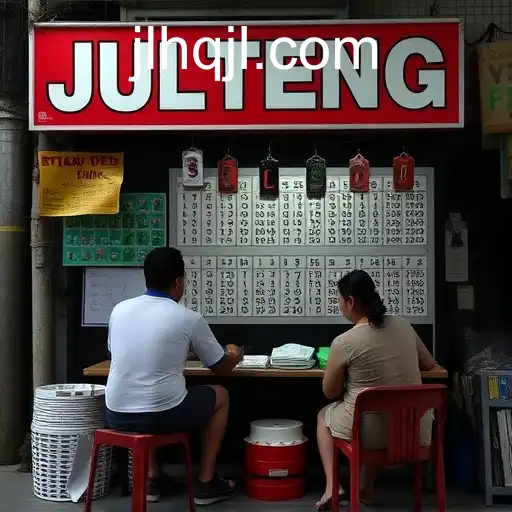
Understanding Jueteng: An In-Depth Look at the Controversial Numbers Game JLHQ
Jueteng has long held a notorious position in the cultural and political landscapes of certain regions. This seemingly innocuous numbers game has woven itself deeply into the fabric of communities, becoming more than just a means of entertainment but a complex web of economic and political implications. In this article, we delve into the dynamics of jueteng, its impact on society, and the underlying complexities that sustain its existence.
The Origins of Jueteng
The origin of jueteng can be traced back to the Spanish colonial era. It evolved from a simple lottery game into an intricate gambling system deeply embedded in Filipino culture. The JLHQ format, representing the numbers chosen by bettors, has remained at the core of this game, symbolizing luck and fortune for many.
Characterized by players picking numbers in hopes of winning cash prizes, jueteng operates similarly to a lottery but without official oversight. Its informal nature enables it to thrive under the radar of legal scrutiny, driven by deep-seated cultural predilections and socio-economic factors. Each draw breathes life into communities, sustaining economic cycles and providing entertainment amidst daily hardships.
The Mechanics of Jueteng
The operation of jueteng is relatively straightforward. A bettor chooses a combination of numbers, often based on dreams, superstitions, or personal significance. These numbers are then entered into the game through a 'kubrador', the individual responsible for collecting bets and disseminating information.
The game typically involves draws conducted multiple times a day, increasing the frequency of participation among bettors. The accessibility of game mechanics and the low entry cost make it appealing to those from various socio-economic backgrounds. Winning a jueteng draw can mean the difference between a day filled with struggle or relative ease.
Sociopolitical Implications
The persistence of jueteng is seated in more than just cultural entertainment. Its continual existence highlights significant socio-political implications. As a shadow economy, jueteng has implications for local governance, including allegations of corruption and the alleged protection by local officials.
Politicians and law enforcers have been accused of receiving monetary benefits in exchange for protection of jueteng operations. As with many illicit activities, jueteng also thrives on the promise of prosperity and the aspiration of quick financial gain, a sentiment that resonates with many struggling communities where government assistance and economic opportunities are scarce.
The Economic Dimension
For those involved, jueteng presents both a risk and a boon. The operators and bettors constitute an informal economic sector that benefits significantly from the game’s circulation of money. For many, it serves as a quick financial fix—a potential way out from financial hardships.
The economic significance of jueteng may also extend into local markets, influencing purchasing power within communities. However, it can perpetuate poverty cycles by encouraging spending on gambling rather than on essential needs. The allure of winning can divert resources away from productive investments, perpetuating the cycle of poverty.
Controversies and Challenges
Despite its widespread presence, jueteng's illegal status subjects it to numerous controversies and challenges. Efforts to eradicate or suppress the game have had varying degrees of success. The clandestine operations make regulation difficult, leading to cyclical efforts to dismantle its influence only to see it resurface later.
Anti-gambling laws aim to curb the prevalence of jueteng, yet loopholes and enforcement challenges hinder significant progress. Advocacy groups push for greater awareness and proactive measures to address the underlying issues that sustain jueteng, though results are mixed.
Impacts on Families and Communities
The impact of jueteng on families and communities is profound. While it provides a measure of hope and temporary financial relief, it often places families in precarious situations. Funds that might be used for education, health, or basic needs are diverted to bet in hopes of an elusive win.
Cultural narratives around luck and superstitions further complicate the matter. For many, the thrill and hope attached to winning bolsters community bonds, fostering shared experiences. Yet, these same narratives can perpetuate economic vulnerabilities and dependencies.
Pushing for Reforms
Addressing the issue of jueteng necessitates comprehensive reforms that balance legal regulation, economic development, and cultural sensitivity. Efforts to legalize and regulate the numbers game are debated, with proponents arguing that such measures could provide tax revenue and reduce law enforcement burdens.
The challenge lies in transforming perceptions and ingrained cultural practices into opportunities for community growth and economic empowerment. Education, economic opportunities, and robust community programs are pivotal in providing alternatives to dependency on the game.
Looking Ahead
The outlook for jueteng is intertwined with broader socio-economic developments. As communities evolve and economies develop, the role and place of jueteng in society will likely shift. Creating sustainable alternatives that offer hope and viable economic opportunities might hold the key to finally resolving the issues surrounding jueteng.
Understanding JLHQ in the broader context of jueteng reveals the intricate balance between a culturally ingrained practice and the continuous push for progress and reform. Addressing these complexities is essential for fostering healthier, more vibrant communities less reliant on the ebbs and flows of chance.
In conclusion, the paradox of jueteng lies at the intersection of culture, economy, and politics, a place where reform is not only necessary but imperative.








GOLD VIP
Minimum deposit: ₱1,500
- ✅ 150% bonus on all deposits
- ✅ Priority withdrawal in 1 minute
- ✅ 10% cashback weekly
- ✅ VIP support 24/7
- ✅ Higher betting limits
PLATINUM VIP
Minimum deposit: ₱6,000
- ✅ 200% bonus + all Gold benefits
- ✅ Instant withdrawal 24/7
- ✅ 15% cashback weekly
- ✅ Exclusive VIP table in casino
- ✅ Special event invitations
DIAMOND VIP
Minimum deposit: ₱30,000
- ✅ 300% bonus + all previous benefits
- ✅ Dedicated personal manager
- ✅ 20% cashback weekly
- ✅ Unlimited withdrawal limits
- ✅ Exclusive trips and gifts
🚀 Register NOW and Get ₱15,000 Bonus!
⏰ LIMITED TIME OFFER! Join over 1.2 million players who have already discovered why JLHQ is the #1 betting platform in the Philippines. Registration in 30 seconds, first withdrawal in 2 minutes!
💬 What our players say
"Best platform I've ever used! GCash withdrawal in 2 minutes, amazing support!"
- Carlos M., Manila ⭐⭐⭐⭐⭐
"Won ₱45,000 on Gates of Olympus! They paid everything correctly via GCash."
- Ana L., Cebu ⭐⭐⭐⭐⭐
"VIP system is amazing! I have a personal manager and cashback every week."
- Roberto S., Davao ⭐⭐⭐⭐⭐
PAGCOR License
SSL 256-bit
eCOGRA
BSP Approved